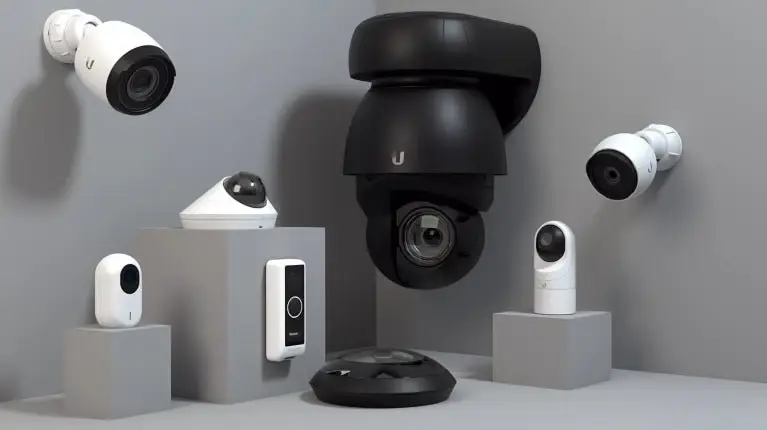
Physical keys are the weakest link in most businesses’ security posture. They can be copied, lost, and never expire. Modern access control systems replace physical keys with credential-based entry — key cards, fobs, or smartphone credentials — and give businesses the ability to see who entered where, revoke access instantly, and set time-based permissions without ever changing a lock.
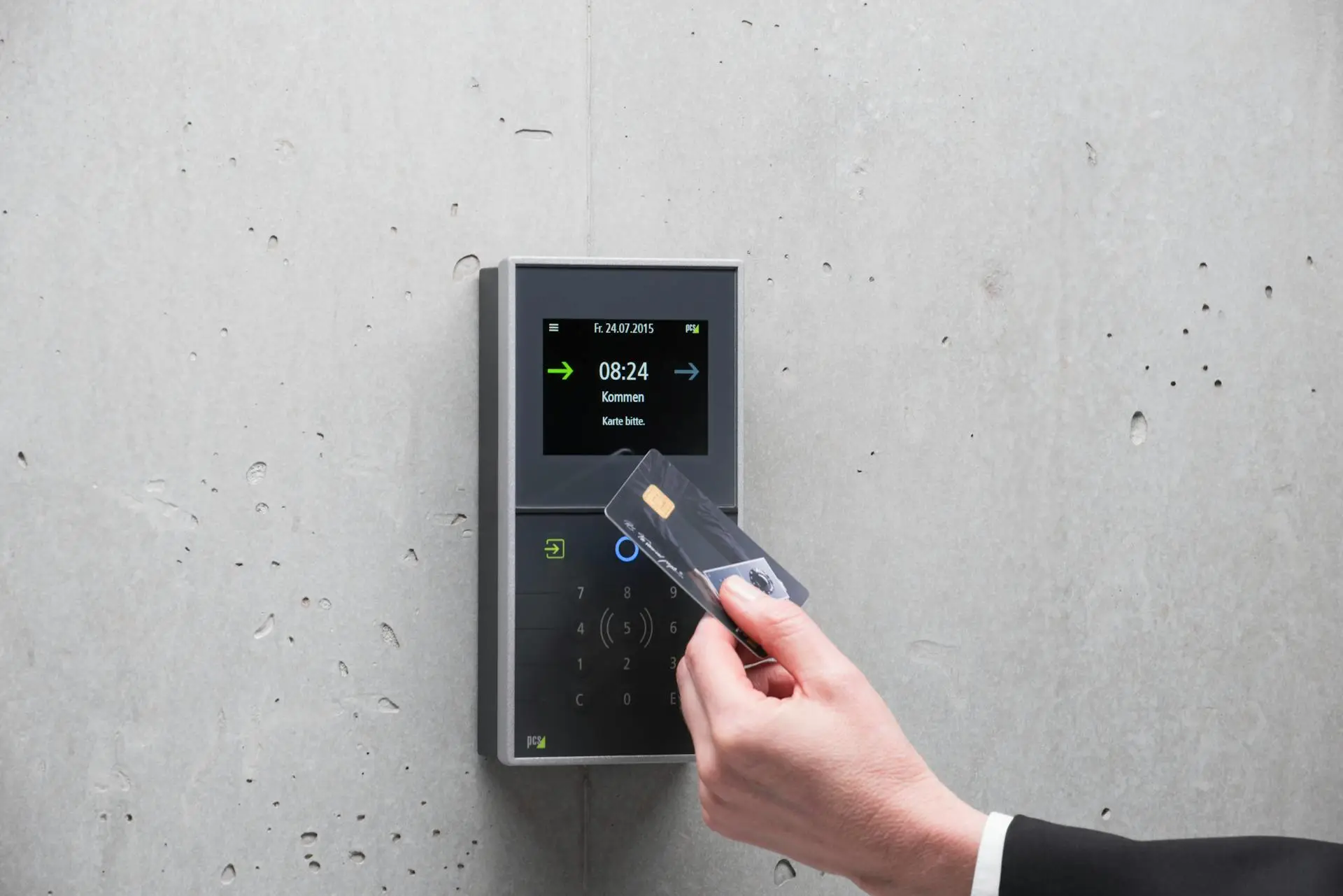
How Modern Access Control Systems Work
The Core Components
Every access control system has the same fundamental components: readers (devices mounted at doors that read credentials), electric strikes or magnetic locks (hardware that physically controls door access), a control panel or controller (hardware or cloud platform that makes access decisions), and management software where you add/remove users, set schedules, and view access logs.
Credential Types
Key Cards and Fobs: The most common credential type. Cards use RFID or NFC technology and are inexpensive, easy to issue, and simple to revoke. Mobile Credentials: Smartphone-based credentials are increasingly popular because employees can wave their phone near a Bluetooth or NFC-capable reader. They’re harder to share than physical cards and eliminate the cost of issuing credentials. Biometrics: Fingerprint and facial recognition systems are growing in high-security environments like server rooms and pharmaceutical storage.
Cloud-Managed vs. On-Premises
Cloud systems allow administrators to add, remove, or modify access permissions from any browser — without being on-site. If an employee leaves unexpectedly, their access can be revoked in seconds from a smartphone. Cloud systems also provide real-time alerts and maintain audit logs accessible instantly.
Integration with Video Surveillance
The most powerful access control deployments integrate with your video surveillance system. When an access event occurs — a door opening, a failed attempt, a propped door — the system automatically pulls the video clip from the nearest camera and attaches it to the event log.
NYC Building Considerations
Installing access control in an NYC commercial building involves coordinating with building management, working within NYC building code for door hardware (fire egress requirements must be maintained), and potentially integrating with existing intercom systems at building entry points.
When an employee leaves, you shouldn't have to change locks. You should revoke a credential.
SolvedIT installs modern access control and video intercom systems for NYC, NJ, and CT businesses. We work with Verkada, Kisi, and other leading platforms — and handle everything from design to installation to ongoing management.
Learn more about access control or contact us to get started.
Related Articles: Commercial Video Surveillance Systems: NYC Buyer’s Guide · Video Intercom Systems for NYC Commercial Buildings · Low Voltage Systems for NYC Businesses: Cabling, Cameras & Smart Sensors