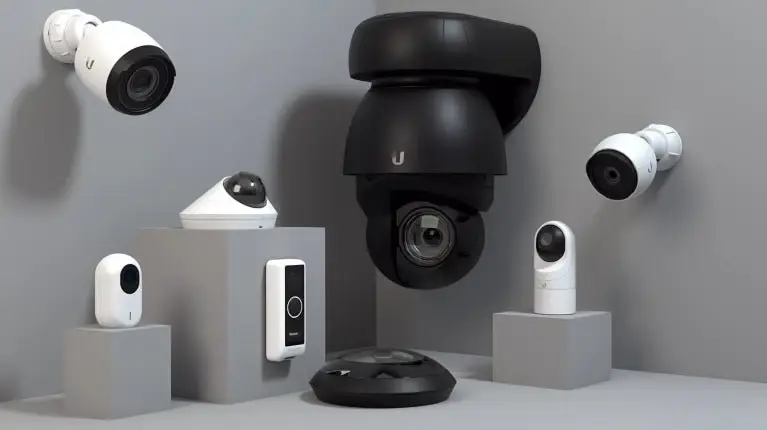
Vaping in bathrooms, locker rooms, stairwells, and private spaces is a growing problem for businesses and schools alike — and it’s one that traditional security tools can’t solve. You can’t put cameras in bathrooms. Traditional smoke detectors don’t trigger on vape aerosol. Vape detection technology was designed specifically for this problem.
How Vape Detection Technology Works
Sensors, Not Cameras
Vape detectors like the Triton sensor line use chemical particle sensing technology to detect the compounds found in vape aerosol — including nicotine, THC vapor, and the glycol and glycerin compounds that form the visible vapor cloud. These sensors continuously sample the air and can identify vaping within seconds. Critically, they contain no cameras, no microphones, and no PII collection — they detect chemistry, not people. This makes them legally deployable in spaces where traditional surveillance is prohibited.
What Triton Sensors Detect
- Vaping and e-cigarette use — including nicotine vapes, THC vapes, and disposables
- Traditional smoke — cigarettes, cigars, and marijuana smoke
- Gunshots — acoustic detection of gunshot-level sound events (on supported models)
- Air quality anomalies — elevated CO2, unusual particulate levels, temperature and humidity anomalies
- Tampering — attempts to cover, move, or disable the sensor
Real-Time Alerting Without Recording
When a Triton sensor detects a vape event, it sends an immediate alert to designated administrators via app notification, SMS, or email — including the location and time of the detection. Managers can respond immediately, even from off-site.
Where Businesses Deploy Vape Detection
- Multi-stall restrooms — highest risk area in most commercial buildings
- Stairwells — low-traffic areas with limited supervision
- Back-of-house areas — employee break rooms, receiving areas, storage spaces
- Hotel guest floors — monitoring for smoking and vaping in non-smoking rooms
- School locker rooms and bathrooms — highest priority deployment for K-12
Legal and Compliance Benefits in NYC
New York City’s Smoke-Free Air Act prohibits smoking and vaping in workplaces, restaurants, bars, and most indoor public places. Businesses are required to maintain smoke-free environments and can face fines for violations. A vape detection system demonstrates active compliance management.
You can't put a camera in a bathroom. But you can know, in real time, that someone is vaping in one.
SolvedIT is an authorized installer of Triton vape detection, gunshot detection, and smart sensor systems for NYC, NJ, and CT businesses. We handle the full installation — hardware, network connectivity, and alert configuration.
Learn more about Triton Sensors or contact us to discuss a deployment at your facility.
Related Articles: Triton Sensors: Privacy-First Detection for Spaces Cameras Can’t Cover · Vape Detection for NJ and CT Schools: What Administrators Need to Know · Gunshot Detection Systems for Businesses: How Triton Sensors Work