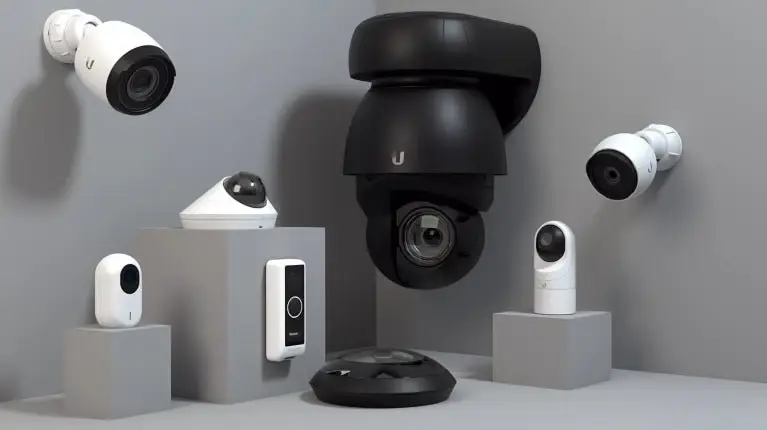
Active shooter incidents in commercial settings — offices, retail stores, restaurants, schools, healthcare facilities — are among the most difficult emergency scenarios for businesses to prepare for. Every second matters. Gunshot detection technology that triggers an immediate, automatic alert within seconds of a shot being fired gives occupants, security personnel, and first responders the earliest possible warning — before a 911 call is made.
How Gunshot Detection Technology Works
Acoustic Detection, Not Surveillance
Gunshot detection sensors like the Triton gunshot detection module use acoustic analysis to identify the specific sound signature of a gunshot — the combination of muzzle blast, supersonic crack, and acoustic wave patterns that distinguish a gunshot from other loud sounds. When the algorithm identifies a match, an alert is triggered within seconds.
Like all Triton sensors, the gunshot detection module has no camera and makes no audio recording. It detects a sound event and generates an alert — it does not record conversations, ambient sound, or any audio that could create privacy or legal liability.
Why Response Time Matters
FBI active shooter incident studies consistently show that most events are resolved within 5–10 minutes of the first shot. The average police response time in NYC is approximately 4–6 minutes. A system that triggers an alert within 3–5 seconds of a gunshot gives building occupants, security personnel, and 911 significantly more response time.
Integration With Access Control and Emergency Systems
Triton gunshot detection sensors can integrate with access control systems, PA systems, and emergency response platforms via API. When a gunshot event is detected, the integration can automatically: lock all electronically controlled doors in the building, trigger a PA announcement to shelter in place, send immediate alerts to all designated administrators and security personnel, and pull nearby camera footage.
Where Businesses Are Deploying Gunshot Detection
- Schools — K-12 and higher education seeking additional layers of detection beyond drills
- Healthcare facilities — hospitals and urgent care centers, where incidents involving armed visitors have increased
- Retail and hospitality — high-traffic commercial environments in urban areas
- Office buildings — particularly those housing financial services, legal, or government tenants
- Houses of worship — congregations that have implemented safety plans
Gunshot Detection vs. Panic Buttons
Panic buttons have a critical limitation: they require a human to physically activate them. In the chaos of an active shooter incident, staff may not be near a panic button or may be unable to reach it. Gunshot detection is automatic — it requires no human action to trigger the alert.
Automated detection doesn't panic. It doesn't freeze. It alerts in seconds — regardless of who is nearby.
SolvedIT installs Triton gunshot detection sensors for businesses, schools, and commercial facilities across NYC, NJ, and CT. We integrate gunshot detection with your access control, video surveillance, and emergency notification systems for a complete response capability.
Explore Triton sensor solutions or contact us to discuss your security needs.
Related Articles: What Is Vape Detection — And Why NYC Businesses and Schools Need It Now · Triton Sensors: Privacy-First Detection for Spaces Cameras Can’t Cover · Vape Detection for NJ and CT Schools: What Administrators Need to Know