Structured cabling in schools, medical offices, and healthcare facilities isn’t the same as in standard commercial offices. The requirements are more demanding — more devices per square foot, stricter compliance standards, and zero tolerance for downtime. A classroom needs reliable Wi-Fi for 30 student devices simultaneously. A medical office needs a network that supports EHR access, medical imaging, and patient check-in without hiccups.

Special Cabling Requirements for Education and Healthcare
Higher Device Density
Both schools and medical offices have far more devices per square foot than a typical corporate office. A classroom might support 30+ student devices, a teacher’s workstation, a projector, and a wireless access point — all from a single IDF closet. Medical practices add EHR workstations at every exam room, nurse stations, patient check-in kiosks, and telemedicine carts. Cabling design needs to account for this density with enough drops per room and adequate switch capacity at each IDF location.
Wireless Infrastructure Planning
In both environments, Wi-Fi performance is mission-critical. Schools are particularly demanding — 30 students streaming educational video simultaneously creates a concentrated wireless load that many installations fail to handle. The solution isn’t just more access points; it’s the right AP density, proper channel planning, and Cat6A uplinks to each AP so the backhaul doesn’t become the bottleneck.
Compliance and Documentation for Healthcare
Medical facilities handling patient data have HIPAA compliance obligations that extend to their network infrastructure. HIPAA’s Technical Safeguards require that electronic protected health information (ePHI) be transmitted over secure, access-controlled networks. This means proper VLAN segmentation must be supported by your cabling and switching infrastructure — your contractor should understand these requirements.
E-Rate Funding for School Cabling
K-12 schools and libraries are eligible for E-Rate funding (FCC Schools and Libraries Program) which provides discounts of 20–90% on network infrastructure, including structured cabling and wireless equipment. E-Rate Category 2 covers internal connections — meaning a properly structured cabling project can be substantially subsidized. SolvedIT works with E-Rate-eligible clients and understands the documentation requirements for program compliance.
PoE Planning
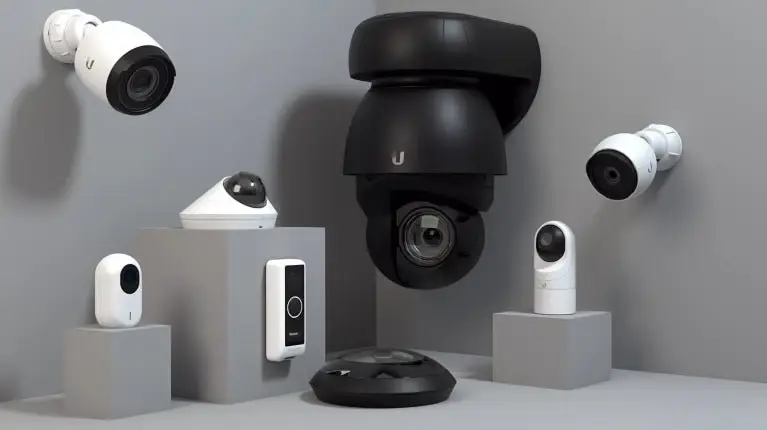
Both schools and medical offices make heavy use of Power over Ethernet devices: wireless access points, IP phones, IP cameras, door access readers, and digital signage. Your switch selection and cable installation needs to account for PoE wattage budgets — Cat6A handles PoE+ and PoE++ more efficiently than Cat5e due to lower insertion loss and resistance.
A medical office or school that outgrows its cabling doesn't just have a slow network — it has a compliance risk.
SolvedIT designs and installs structured cabling systems for schools, medical practices, and healthcare facilities across NYC, NJ, and CT. We understand E-Rate requirements, HIPAA-compliant network design, and the high device density that educational and healthcare environments demand.
Contact us to discuss your project.
Related Articles: Structured Cabling Installation for NYC Office Buildouts · Cat6 vs Cat6A: Which Network Cabling Is Right for Your Business? · Signs Your Office Network Cabling Needs an Upgrade · Low Voltage Systems for NYC Businesses: Cabling, Cameras & Smart Sensors