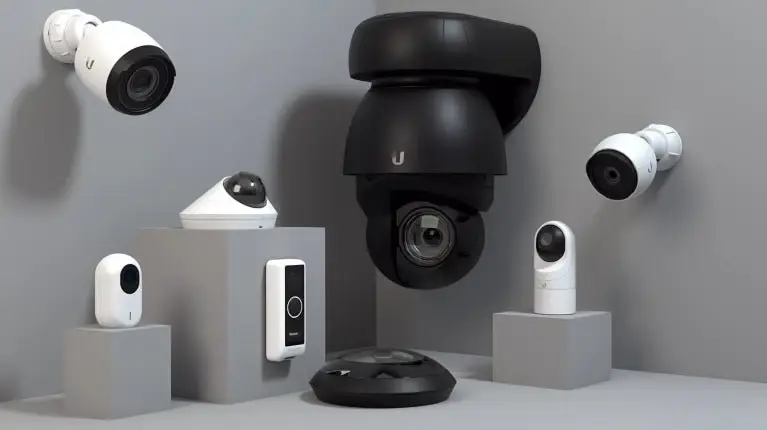
Most businesses in New York City manage their low voltage systems across multiple vendors: one company for cabling, another for cameras, a third for access control, and maybe a fourth for environmental sensors. The result is fragmented support, finger-pointing when something breaks, and systems that don’t talk to each other. There’s a better way — and it starts with understanding what low voltage work actually covers.

What Low Voltage Systems Cover
The Full Scope of Low Voltage Work
Low voltage refers to electrical systems operating below 50 volts — distinct from the line voltage that powers your lights and outlets. In commercial buildings, low voltage encompasses: structured cabling (Cat6/Cat6A/fiber, patch panels, IDF/MDF closets), video surveillance (IP camera systems, NVRs, cloud-managed platforms), access control (card readers, electronic locks, intercoms), environmental sensors (vape detection, gunshot detection, air quality monitoring), wireless infrastructure (access point installation and cabling), and VoIP telephone systems.
A licensed low-voltage contractor can handle all of these. Many businesses don’t realize this — they’ve grown accustomed to managing different vendors for different systems.
Why Integration Matters
The real value of consolidating your low voltage work with a single contractor isn’t just the convenience of one phone number. It’s the integration of your systems. When your cabling contractor is also your camera and access control installer, they design the infrastructure to support all three from the start. When access control and video surveillance are installed by the same team, they can be integrated at the platform level: an access event triggers a camera clip, a propped door triggers a visual alert, and a Triton gunshot detection event locks all doors automatically.
The Typical Low Voltage Project for an NYC Office
A new office buildout in New York City — 3,000 to 10,000 square feet — typically requires:
- Structured Cabling: 40–120 Cat6A drops, 1–2 IDF closets, patch panels, cable trays, and fiber backbone.
- Video Surveillance: 8–20 IP cameras covering all entry/exit points, server room, reception, and high-risk areas.
- Access Control: 3–8 controlled doors, card or mobile credential readers, electric strikes or magnetic locks.
- Video Intercom: 1–2 door stations at building or suite entry, integrated with access control.
- Environmental Sensors: Triton vape/smoke sensors in restrooms and back-of-house areas where camera deployment isn’t appropriate.
Single-Contractor Benefits
When you engage SolvedIT for a complete low voltage buildout, you get a single project plan, a single site survey, a single point of coordination with your general contractor and building management, and a single post-installation documentation package covering all systems. During the warranty and support period, there’s one number to call — and the team that answers already knows your entire installation.
When your cabling, cameras, and sensors are all installed by the same team, they're actually designed to work together.
SolvedIT is a licensed low-voltage contractor serving NYC, NJ, and CT. We design and install structured cabling, video surveillance, access control, video intercoms, and Triton sensor systems — as integrated, coordinated solutions for businesses of all sizes.
Schedule a free assessment — we’ll walk your space, scope all systems together, and give you a clear picture of what a complete low voltage solution looks like for your business.
Related Articles: Structured Cabling Installation for NYC Office Buildouts · Cat6 vs Cat6A: Which Network Cabling Is Right for Your Business? · Signs Your Office Network Cabling Needs an Upgrade · Structured Cabling for Schools and Medical Offices in NJ and CT